An Ode to Mandarin 浣溪沙·咏橘
An Ode to Mandarin
--to the musical tune The Silk Washing Stream
Chinese original: Su Shi (11th Century)
English version: Julia Min (Dec. 2024)
As frost sends chrysanthemum n lotus to dream,
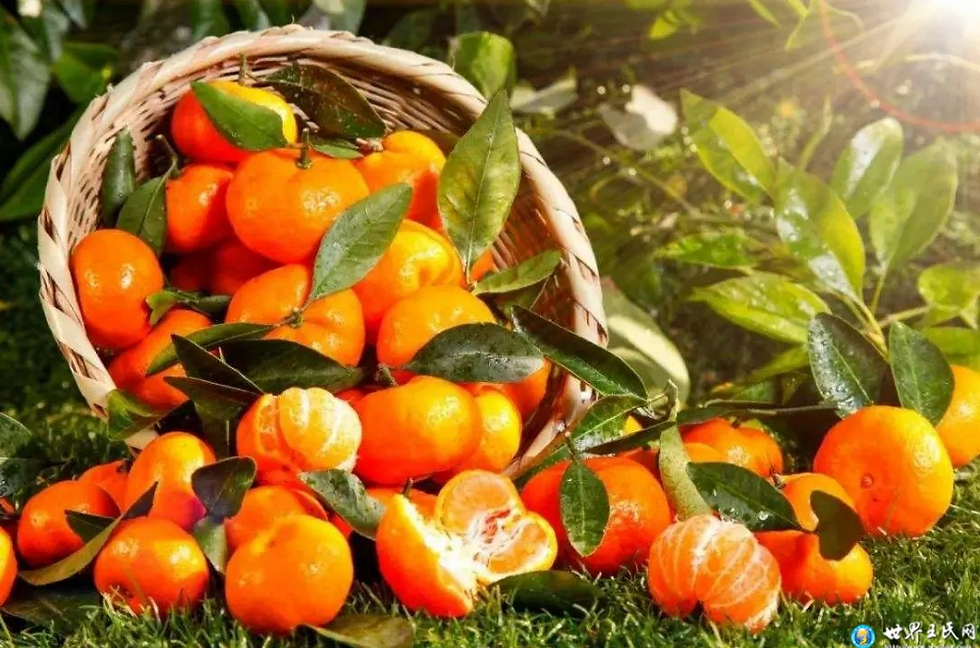
Mandarin begin to glow against the winter green,
brightening bamboo fences and thatched eaves.
The peel bursts with a mist refreshing and sweet.
The first taste cools the soul—a soothing stream.
The Wu girls bear the scent on hand for three eves.
Appreciation:
This poem was composed in 1082, when Su Shi (Dongpo) was still in Huangzhou as an exiled officer. Huangzhou was historically part of the ancient Wu State, hence the mention of "Wu ladies" in the final line. Mandarins from the Wu region were once tribute fruits for the imperial court, prized for their superior flavour.
Su Shi was a true food enthusiast, leaving behind many poems on culinary delights. He also invented several famous dishes that remain popular today—all of which are personal favourites of mine. His love for food is vividly captured in the second stanza of this poem: the burst of fragrance, the cool sensation on the tongue, and the lingering sweetness.
Chrysanthemums and lotus flowers traditionally symbolise courage and purity. For Dongpo, every hardship was bearable because he could always find solace in good food. When virtue goes unrecognised or unrewarded, he suggests, a good meal and wine shared with friends can lift your spirits once more.
For a fuller sense of this philosophy, readers may turn to his other poems from the same period, such as "Upon Arriving at Huangzhou" (《初到黄州》) and "To Liu Jingwen" (《赠刘景文》).
浣溪沙·咏橘
原作: 苏轼(字子瞻, 号东坡居士; 11世纪北宋)
菊暗荷枯一夜霜,
新苞(bāo)绿叶照林光,
竹篱(lí)茅舍出青黄。
香雾噀(xùn)人惊半破,
清泉流齿怯(qiè)初尝,
吴姬三日手犹香。
Reference:


留言